

Journey Highlights
- Route: Tokyo’s refined pulse → Kyoto’s sacred stillness
- Style: Boutique soulful luxury—small, intentional moments over “must-see” lists
- Tokyo: Hidden cocktail bars, design/art pockets, quiet neighborhood shrines, omakase as ritual
- Transition: Shinkansen as a threshold—speed outside, calm within
- Kyoto: Temple mornings before the crowds, tea ceremony, lantern-lit alleys, artisan encounters
- Nature: Bamboo and moss gardens, seasonal beauty that slows the mind
- Essence: Transformation through contrast—precision in the city, presence in the ancient capital
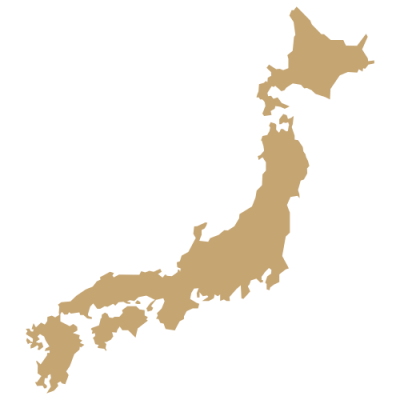
Tokyo meets you like electricity.
Neon reflected in rain-slick streets. The soft hush of a train arriving exactly on time. A vending machine glowing in the dark like a tiny altar to convenience. The city moves fast, but it isn’t chaotic—it’s precise. Intentional. A living organism made of light, steel, and quiet discipline.
And somewhere inside that pulse, you find a surprising thing: stillness.
Not the stillness of silence—Tokyo is never truly silent.
The stillness of mastery. Of a world so refined it doesn’t need to prove itself.
The stillness of mastery. Of a world so refined it doesn’t need to prove itself.
You slip into a small bar hidden above an unmarked door. The bartender’s movements are slow, almost ceremonial. Ice is carved like a sculpture. A drink is built like a poem. No one speaks loudly. No one rushes. For a moment, the city becomes a temple—one dedicated to craft.
This is how Japan begins: not with sightseeing, but with attention.
Tokyo: The Beauty of Precision
Tokyo is a lesson in contrast.
You can spend the morning in a minimalist café where the coffee tastes like devotion, then step into a street where fashion becomes performance and individuality blooms in a thousand strange, beautiful forms. You can wander through a gallery that feels like a whisper, then emerge into Shibuya where the world crosses itself in every direction.
But boutique soulful Tokyo isn’t about “doing it all.”
It’s about choosing what resonates.
It’s about choosing what resonates.
A quiet neighborhood stroll where tiny shrines sit between modern buildings like reminders of the unseen. A bookshop that feels like a sanctuary. A market where the colors of fruit and fish look unreal, and you realize food here is not just sustenance—it’s respect.
And always, there is the thread of ritual.
Hands washing before prayer. Shoes removed before entering. Bowing not as formality, but as acknowledgment: I see you.
Hands washing before prayer. Shoes removed before entering. Bowing not as formality, but as acknowledgment: I see you.
Tokyo doesn’t ask you to slow down.
It teaches you how to be present at speed.
It teaches you how to be present at speed.
The Threshold: Leaving the Noise Without Leaving Yourself
Then you board the train.
The Shinkansen doesn’t feel like travel. It feels like transition—like stepping through a doorway between worlds. The city falls away. The landscape opens. Mountains appear in the distance like calm witnesses.
You look out the window and feel something shift.
Not excitement. Not relief.
Not excitement. Not relief.
Alignment.
As if your nervous system finally understands where you’re going.
Tokyo sharpens you. Kyoto softens you. Japan returns you to center.
Kyoto: Where Time Becomes Sacred
Kyoto receives you differently.
The air is softer. The pace is slower. The beauty is quieter, but it goes deeper. Here, the world is built to hold contemplation—wooden houses, stone paths, lantern-lit alleys, gardens designed not to impress but to reveal.
In Kyoto, mornings matter.
You enter a temple before the crowds arrive. The gates are open, but the world feels closed—sealed in a hush that makes you instinctively lower your voice. Incense curls upward like a question. A bell sounds once, and the sound travels through your chest.
You sit for a moment and realize:
your mind has been loud for so long, you forgot silence can be a place.
your mind has been loud for so long, you forgot silence can be a place.
Kyoto is not a museum. It’s a living practice.
A tea ceremony becomes more than tradition—it becomes a mirror. Every movement deliberate. Every pause meaningful. You taste bitterness and warmth and understand, without anyone explaining it, that the point is not the tea. The point is presence.
You walk through a bamboo grove and the light changes. You pass a moss garden and feel your thoughts slow down to match it. You watch a craftsman shape something by hand—ceramic, textile, paper—and you sense the same devotion you felt in Tokyo, but here it’s turned inward.
Tokyo refines the outer world.
Kyoto refines the inner one.
Kyoto refines the inner one.


What Japan Gives You
This journey isn’t about collecting Japan.
It’s about letting Japan recalibrate you—through contrast.
The city that teaches precision.
The ancient capital that teaches reverence.
Two worlds that somehow belong to the same soul.
The ancient capital that teaches reverence.
Two worlds that somehow belong to the same soul.
You return home with a different relationship to time.
To beauty.
To your own attention.
To beauty.
To your own attention.
And once you’ve felt that—truly felt it—
you don’t want to live the same way again.
you don’t want to live the same way again.


This is Vayara
Your Journey Begins Here
At VAYARA, we curate boutique soulful Japan journeys that go beyond highlights—quiet luxury stays, intimate cultural moments, and experiences chosen for resonance: the right neighborhood, the right temple morning, the right artisan encounter, the right kind of silence. This isn’t a tour of Tokyo and Kyoto. This is a passage—from noise to nuance, from movement to meaning. If Japan is calling, we’ll shape the journey that answers it.This isn’t an itinerary. It’s a ritual across three worlds—designed around your rhythm, your depth, your soul’s appetite for beauty and truth. If Morocco is calling, we’ll shape the journey that answers it.


